Precision Obedience Training: Ultimate Guide for Dobermans & Rottweilers | PawGenius Working Dog Mastery
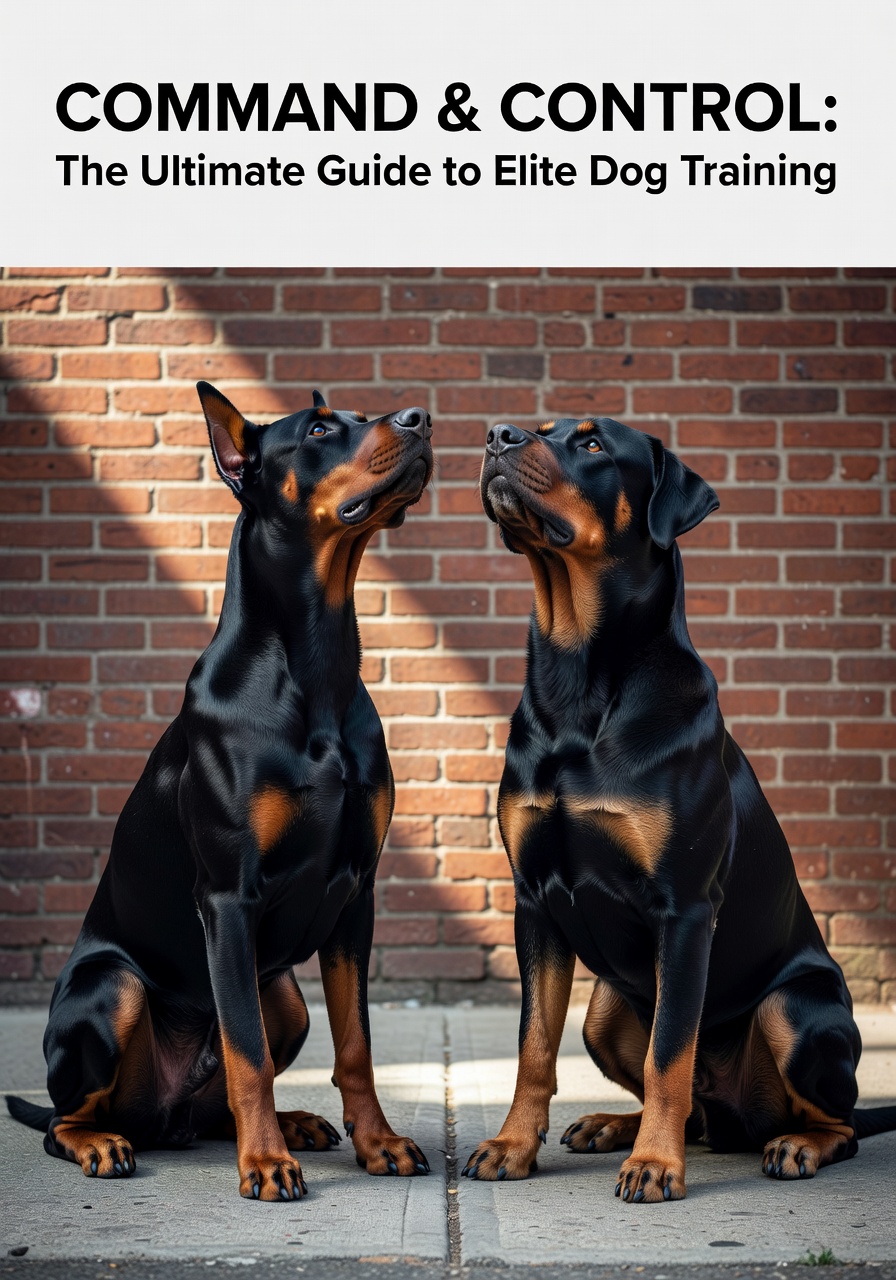
Picture this: your Doberman slices through the park like a shadow, heeling flawlessly at your side, eyes locked on you amid chaos. Or your Rottweiler stands sentinel, unmoving as joggers stream by, responding to a silent signal with unerring precision. These aren't fantasies—they're the hallmark of precision obedience training for working dogs like Dobermans and Rottweilers. These powerful breeds, bred for protection, herding, and unwavering loyalty, demand more than basic commands. They crave structure, purpose, and a handler who matches their intensity. In this PawGenius Working Dog Guide, unlock professional-grade obedience training that forges an unbreakable bond, turning raw power into elegant control.
Chapter 1: The Working Dog Partnership
At its core, Doberman and Rottweiler obedience training is a partnership built on mutual trust. These breeds thrive when they sense your calm authority—no yelling, no inconsistency. Adopt the handler mindset: be predictable, reward generously with praise or toys, and end sessions on highs. Start in a quiet space, using high-value treats like chicken or cheese. Your dog learns you're the steady leader, not through dominance, but through clarity and positivity. This foundation prevents pushback from their strong-willed natures.
Chapter 2: The Perfect Heel
Heeling isn't walking; it's your Doberman or Rottweiler mirroring your every stride. Begin with a lure: hold a treat at your left hip, encourage the dog to follow with "heel." Mark successes with a clicker or "yes!" As proficiency grows, introduce auto-sits—stop abruptly, dog sits automatically. Vary pace: fast walks demand acceleration; slows cue deceleration. Practice 5-10 minutes daily, fading the lure over weeks. Soon, your working dog heels like a pro, shoulder aligned, gaze forward.
- Groom focus with food lure.
- Add turns and pace shifts.
- Phase out treats for verbal praise.
Chapter 3: Formal Recall & Front-and-Finish
Recall saves lives. Teach a rock-solid come by calling from 10 feet, rewarding lavishly. Advance to formal recall: dog dashes to front sit, then finishes behind on cue. Use a long line for safety. For Dobermans' speed, emphasize straight-line precision; Rottweilers benefit from steady approaches. Drill in patterns: recall, front, finish—repeat 20 times per session.
Chapter 4: Silent Hand Signals
Visual Cues for Unbreakable Control
Words fade in wind; signals endure. Pair verbal sits with flat palm down. Recall: open hand sweeping to chest. Heel: pat left leg. Practice off-leash in low-distraction zones, gradually layering noise. Your Rottweiler obedience training elevates as they read you like a book, silent commands cutting through crowds.
Chapter 5: Object Guarding on Command
"Watch" transforms vigilance into obedience. Place a valued item (toy, dumbbell), cue "watch"—dog guards intently without touching. Reward calm focus. Ideal for Dobermans' alertness, it channels protection instincts safely. Progress to longer durations, ignoring temptations.
Chapter 6: Advanced Positioning
Master Lateral Movements
Elevate basics with side passes: dog shifts left/right without breaking heel. Use hand pressure on flanks. Integrate into heeling for fluid positioning, perfect for competition or real-world utility.
Chapter 7: Doberman-Specific Training: Speed & Elegance
Dobermans' athleticism shines in rapid recalls and dynamic heeling. Leverage their drive with interval sprints during heel work. Focus on light, elegant footwork—short strides, head high. Their intelligence means quick picks up, but boredom breeds mischief; rotate drills.
Chapter 8: Rottweiler-Specific Training: Power & Steadiness
Rottweilers pack power; channel it into rock-steady sits amid pulls. Emphasize duration stays, building tolerance for pressure. Their steady temperament excels in guarding cues, but early socialization tempers overprotectiveness.
Chapter 9: Distraction-Proofing
Real life tests obedience. Start low: toys nearby during heel. Escalate to people, dogs, squeaks. Reward heavily for maintaining focus. Proof recalls across fields, ensuring your Doberman training or Rottweiler ignores squirrels.
Chapter 10: Troubleshooting Common Issues
Fixation? Break patterns with impulse control games like "leave it." Instinct overrides? Return to basics, up rewards. Inconsistent sits? Check timing—mark the instant hindquarters drop.
- Anticipation: Randomize cues.
- Forgetfulness: Short, frequent sessions.
- Resistance: Boost motivation with play.
Chapter 11: 6-Week Training Schedules
Week 1-2: Foundations (heel, sit, recall basics). Week 3-4: Signals & positioning. Week 5: Breed-specific + guarding. Week 6: Full distraction proofing. Daily: 15-20 mins x2, rest days for mental recovery.
Mastery Achieved: Your Next Step
Precision obedience unlocks your Doberman or Rottweiler's potential, blending power with poise. This PawGenius Working Dog Guide equips you for triumph. Ready for more? Take our free PawGenius Trick Finder Quiz to discover personalized advanced drills tailored to your dog.