Labrador Retriever Retrieve Training: 5 Essential Tricks to Unleash Their Gun Dog Instincts
From Newfoundland Waters to Your Backyard: The Gun Dog Legacy of Labs
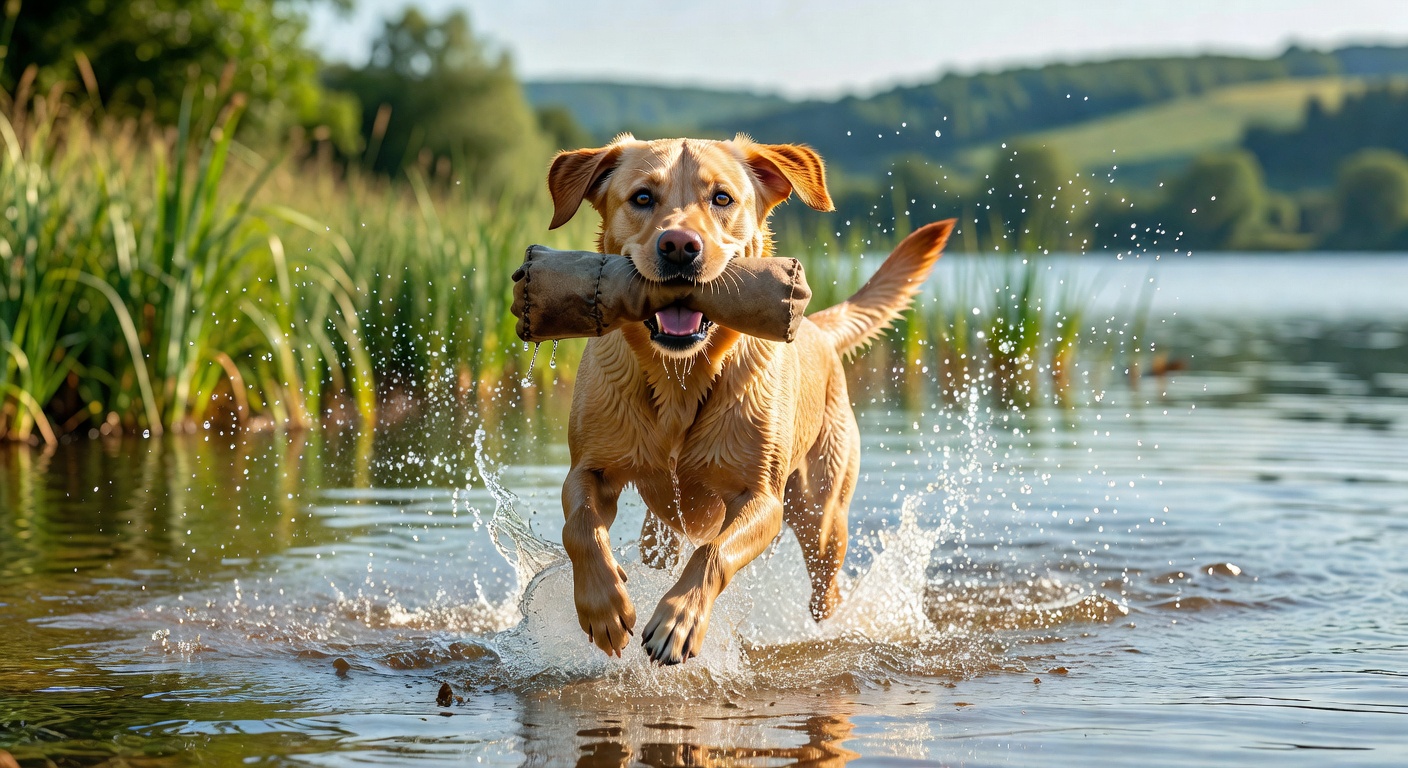
Imagine a rugged fisherman in 19th-century Newfoundland, whistling for his trusty companion as waves crash against the boat. That dog—a sturdy water worker—dives in without hesitation, clamping a net or bird gently in its soft mouth and swimming back through icy swells. This scene isn't from a movie; it's the origin story of the Labrador Retriever, the breed that would become the world's most popular gun dog.
Bred from the smaller, agile St. John's water dogs, Labs were refined in England by noblemen like the Earl of Malmesbury and the Duke of Buccleuch. Their mission? Retrieve game birds—ducks, pheasants—flushed by hunters without damaging feathers or flesh. This gun dog history explains why your floppy-eared family pet turns into a laser-focused athlete at the sight of a tennis ball. Labrador retriever training taps directly into this heritage, transforming everyday fetch games into profound dog mental stimulation that keeps high-energy Labs sharp and satisfied.
Today, with fewer hunters and more suburban lawns, that retrieving drive often manifests as chewed slippers or endless zoomies. But channel it right, and you'll unlock a partnership brimming with joy, purpose, and unbreakable bonds.
The Innate Drive: Why Labs Are Born to Retrieve
At the heart of every Labrador beats a biological imperative: the urge to carry and retrieve. Selective breeding honed their "soft mouth"—that magical ability to hold fragile objects tenderly—and an insatiable desire to please. It's not just play; it's etched in their DNA, a holdover from generations of fetching quarry from marsh and water.
Watch a young Lab pup mouth a sock or stick; it's practicing for life. This drive provides unparalleled dog mental stimulation, warding off boredom-induced mischief like digging or barking. Retrieve games for Labs aren't optional add-ons—they're essential Labrador retriever training that builds confidence, focus, and physical fitness. Ignore it, and your couch becomes collateral damage. Embrace it, and witness your dog light up like never before.
5 Essential Tricks to Ignite Retrieve Games for Labs
Ready to turn your Lab into a retrieving virtuoso? These five dog tricks build progressively, starting simple and scaling to complex challenges. Each leverages their gun dog instincts for maximum engagement. Practice in 5-10 minute sessions, 2-3 times daily, with high-value treats like chicken bits or cheese.
1. The Name Game: Building Toy Vocabulary
Labs thrive on specificity. Start with two toys—a squeaky ball named "blue" and a rope toy called "red." Sit with both, say "blue" excitedly, then toss it short. Praise wildly when retrieved. Repeat, swapping names. Soon, your Lab discriminates on command, fetching the exact toy amid a pile. This Labrador retriever training booster skyrockets mental stimulation, teaching focus amid distractions.
2. Hand Delivery: Perfecting the Gentle Retrieve
Gun dogs deliver to hand, not at feet. Toss a toy, cue "fetch." As your Lab returns, hold out your hand palm-up at chest level, say "give" in a calm tone. Reward only upon release into your palm—no chewing allowed. Use two toys: offer the second as a trade if needed. Mastery means pristine handoffs, prepping for advanced tricks and preventing resource guarding.
3. Toy Cleanup: Practical Basket Retrieval
Scatter toys, place a laundry basket nearby. Point to one, cue "cleanup" or "basket." Guide initially by leading the toy to the basket yourself, rewarding deposits. Fade prompts over sessions. Your Lab now tidies up—imagine evenings ending with toys stowed and high-fives all around. A genius fetch game blending utility with their carrying passion.
4. Hidden Treasure: Scent-Driven Hunts
Hide a scented toy (rub with hot dog) under a towel or in grass while your Lab watches. Cue "find it!" Let their nose lead. Start obvious, progress to rooms or yards. This retrieve game for Labs awakens primal scenting skills, offering intense dog mental stimulation. Picture the triumphant prance back with treasure in tow—pure bliss.
5. Utility Fetch: Everyday Items on Command
Name household objects: "slippers," "keys," "leash." Place within reach, cue the name plus "fetch." Reward precise retrievals. Safety first—avoid small or sharp items. Now your Lab grabs the remote during movie night or your shoes for walks. Ultimate Labrador retriever training: gun dog prowess meets modern life.
Pro Training Tips: Positive Reinforcement and Energy Management
Success hinges on positivity. Labs adore praise—pair treats with your happiest "yes!" or party noises. Never punish errors; redirect with enthusiasm. Sessions end on wins to build eagerness.
High energy demands structure. Tire them mentally first: puzzle toys before tricks. Vary environments—park, living room—to generalize skills. Puppies? Start at 8 weeks. Adults? Two weeks to proficiency with consistency.
- Keep it fun: Quit if frustration shows.
- Health check: Consult vets for joint issues before intense retrieves.
- Tools: Durable toys, clickers for precision.
Patience pays. Your Lab's joy in these fetch games will mirror your own.
Unleash the Legend: Your Lab's Retrieving Future Awaits
From foggy Newfoundland shores to your sunlit yard, the Labrador's gun dog spirit endures. These retrieve tricks don't just entertain—they fulfill a deep-seated need, forging Labs into focused, fulfilled companions. You'll marvel at the transformation: boundless energy harnessed, boredom banished, bonds unbreakable.
Ready for more tailored Labrador retriever training? Dive into the PawGenius Trick Finder quiz. Answer a few questions about your Lab, and get personalized dog tricks to keep the mental stimulation flowing. Your gun dog adventure starts now—what will you fetch first?